Commercial Mold Remediation in Woodcreek Crossing, IN
Occupied buildings in Woodcreek Crossing handled with sealed containment and HEPA filtered negative pressure, done to the IICRC S520.
Commercial Mold Remediation in Woodcreek Crossing deserves a careful start: Woodcreek Crossing Water Restoration schedules the assessment, maps the problem, and puts the plan in writing before anything else. Call (463) 223-3831 to schedule.
- Service: Commercial Mold Remediation for Woodcreek Crossing homeowners
- Service area: Woodcreek Crossing, IN and surrounding areas
- Response time: Assessments scheduled promptly, most within one business day
- Licensed and insured (License #RC21100059)
- Serving Woodcreek Crossing, IN since 2018
Commercial Mold Removal in Woodcreek Crossing
We handle commercial mold removal throughout Woodcreek Crossing, and we'll find the moisture source before the scope is written.
Moisture Sources Here
Buildings near White Lick Creek can take on floodwater, and anything left wet afterward can grow mold. We'll go over the air handling and any past leaks on the first walkthrough with whoever runs the building.
We take commercial mold jobs anywhere in Woodcreek Crossing, including the streets around the Avon Station shopping district. We also handle commercial mold work in The Parks at Prestwick and Mission Hill Lane area.
Commercial Mold Remediation for Woodcreek Crossing Businesses
Roof leaks that got patched years ago leave evidence in the insulation long after the roofing work is closed out. The membrane stopped leaking, the deck dried, and the saturated batt above the ceiling grid never did. Woodcreek Crossing Water Restoration investigates that history on Woodcreek Crossing commercial buildings with moisture meters and thermal imaging, then scopes removal of whatever stayed wet long enough to support growth, under containment that keeps the occupied space below out of it.
A mold scope from Woodcreek Crossing Water Restoration lists each assembly, the reason it's coming out and the moisture reading behind it, so you can compare bids for your Woodcreek Crossing building apples to apples. If another quote covers only surface cleaning, ask what it does about the growth inside the wall and the water feeding it, since both decide whether the problem comes back.
Investigation comes first on every Woodcreek Crossing Water Restoration job. Crews walk the affected area with thermal imaging and penetrating moisture meters, pull ceiling tiles where the readings suggest it, and open small inspection ports in wall assemblies to see what's behind the finish. Those readings define the boundary of the growth and the water feeding it before a scope gets written, because a scope built from a visible stain almost always understates the area.
Keep one log of every conversation about the claim. Write down the claim number and the date and subject of each call or email, and put the claim number on every document you send. Woodcreek Crossing Water Restoration labels the reports and photographs it delivers on your Woodcreek Crossing project with whatever reference you give it, so everything a reviewer sees ties back to one claim.
If a tenant has complained or a ceiling tile came down stained, the next step is an inspection that defines the actual boundary. Call Woodcreek Crossing Water Restoration to schedule an inspection of your Woodcreek Crossing, IN property. You get moisture findings, a written scope to the IICRC S520, and a clear answer about what's feeding it.
Signs You Need Commercial Mold Remediation
If you notice any of these in your Woodcreek Crossing building, schedule a free inspection before the issue worsens.
Drywall near the base that dents under thumb pressure or feels spongy to the touch
Dark speckling on the gypsum board above the suspended ceiling line, visible from a ladder
White crusting or powdery residue on a below grade wall that returns after it's wiped off
Patched drywall with a stain halo that keeps widening around the repair
Carpet tile edges curling or staying damp along an exterior wall for days at a time
Staining that reappears in the same ceiling location after the roof was already repaired
Odor complaints from several suites in the same corridor or the same vertical stack
A written tenant complaint that names a stain or an odor in a specific room
Snowmelt that pools at an entry threshold and keeps the wall base damp every winter
An inspection report from a buyer's consultant that recommends remediation of one named area
How Woodcreek Crossing Water Restoration Handles Commercial Mold Remediation
We follow these steps in order on every Woodcreek Crossing job.
Stopping Active Water
If water is still arriving, stopping it comes before anything else. The crew works with the building engineer to find the valve or penetration involved, then controls it temporarily so the area stops getting wetter while the scope is written.
Negative Pressure Setup
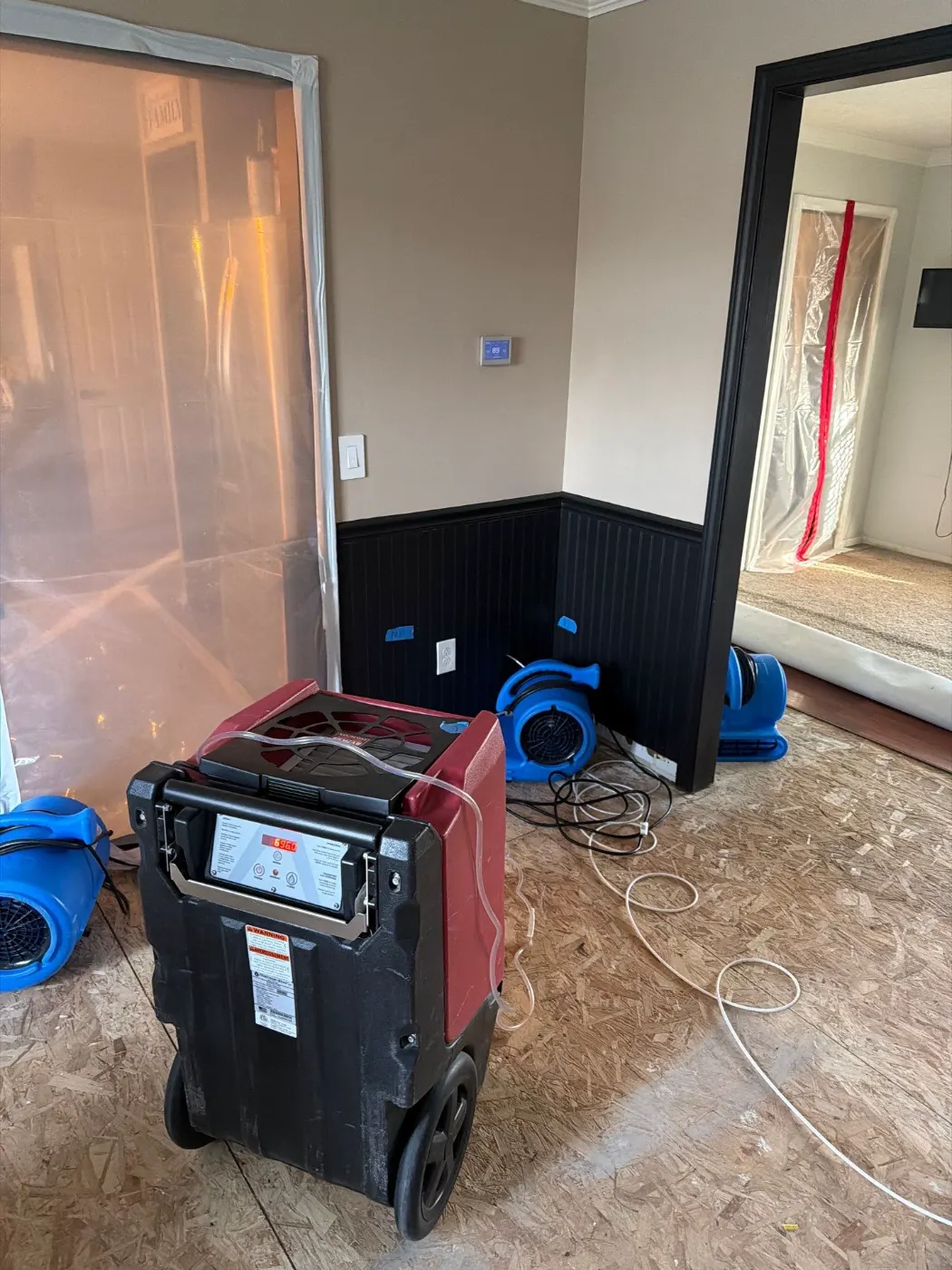
HEPA filtered negative air machines pull the work area to negative pressure relative to the surrounding building, exhausting outside where the layout allows. Manometers confirm the differential across the barrier. HEPA air scrubbers run inside the enclosure for particulate throughout the project.
HVAC Isolation
The crew coordinates with the building engineer to shut down or rebalance the affected air handler and seals its registers inside containment. Growth inside the unit or on duct insulation gets flagged for your HVAC contractor, and that work gets scoped separately.
Source Correction and Rebuild
The moisture source gets corrected or assigned in writing to the mechanical or roofing contractor responsible for it. Once drying readings hold, Woodcreek Crossing Water Restoration rebuilds what came out: framing repairs, insulation, gypsum board, ceiling grid, flooring and finishes.
Final Walkthrough and Records
Building management and the team walk the finished space together, and the project file is handed over. That file holds the scope, the daily logs, the disposal records and any verification reports.
Commercial Mold Remediation in Woodcreek Crossing
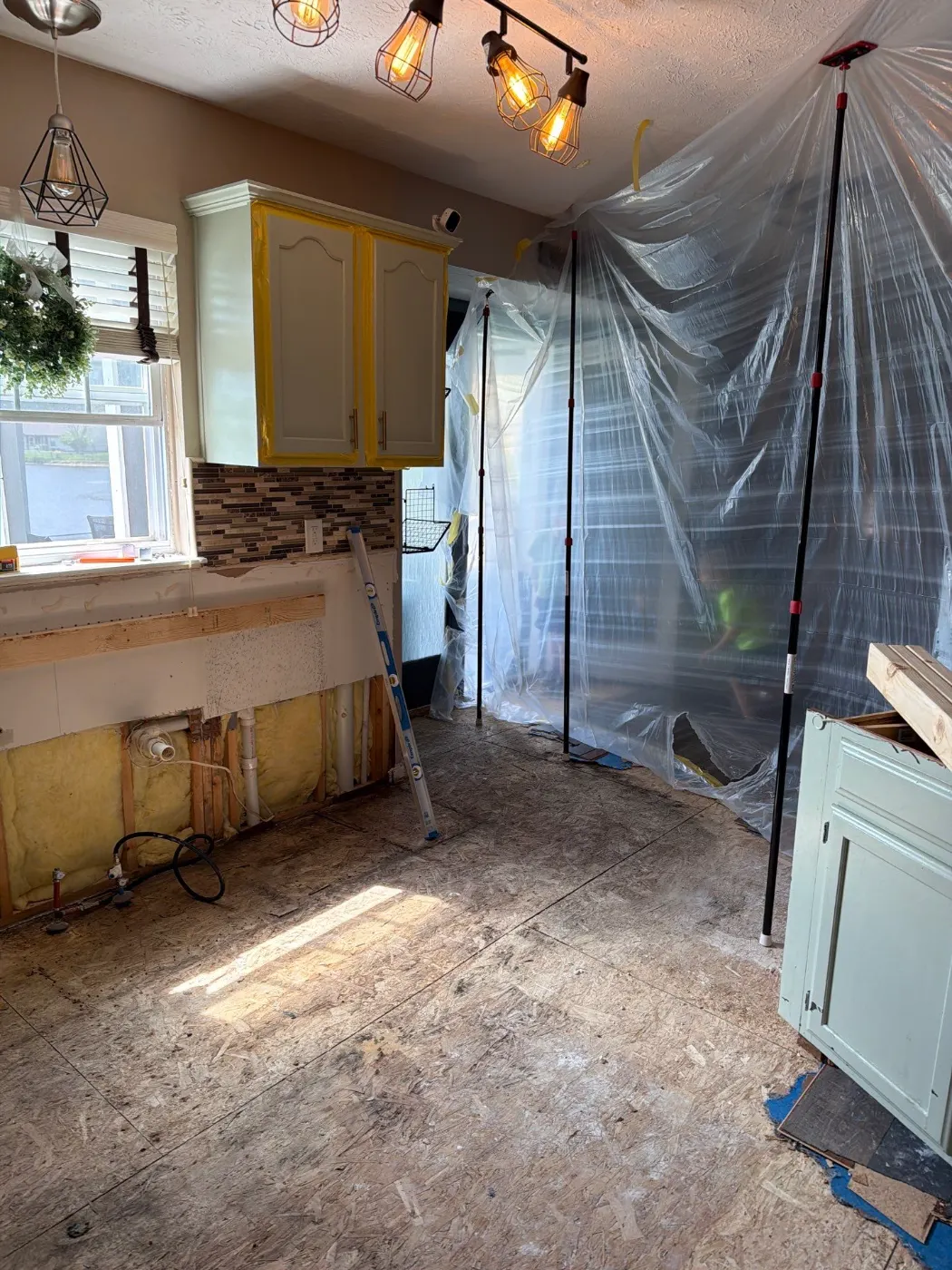
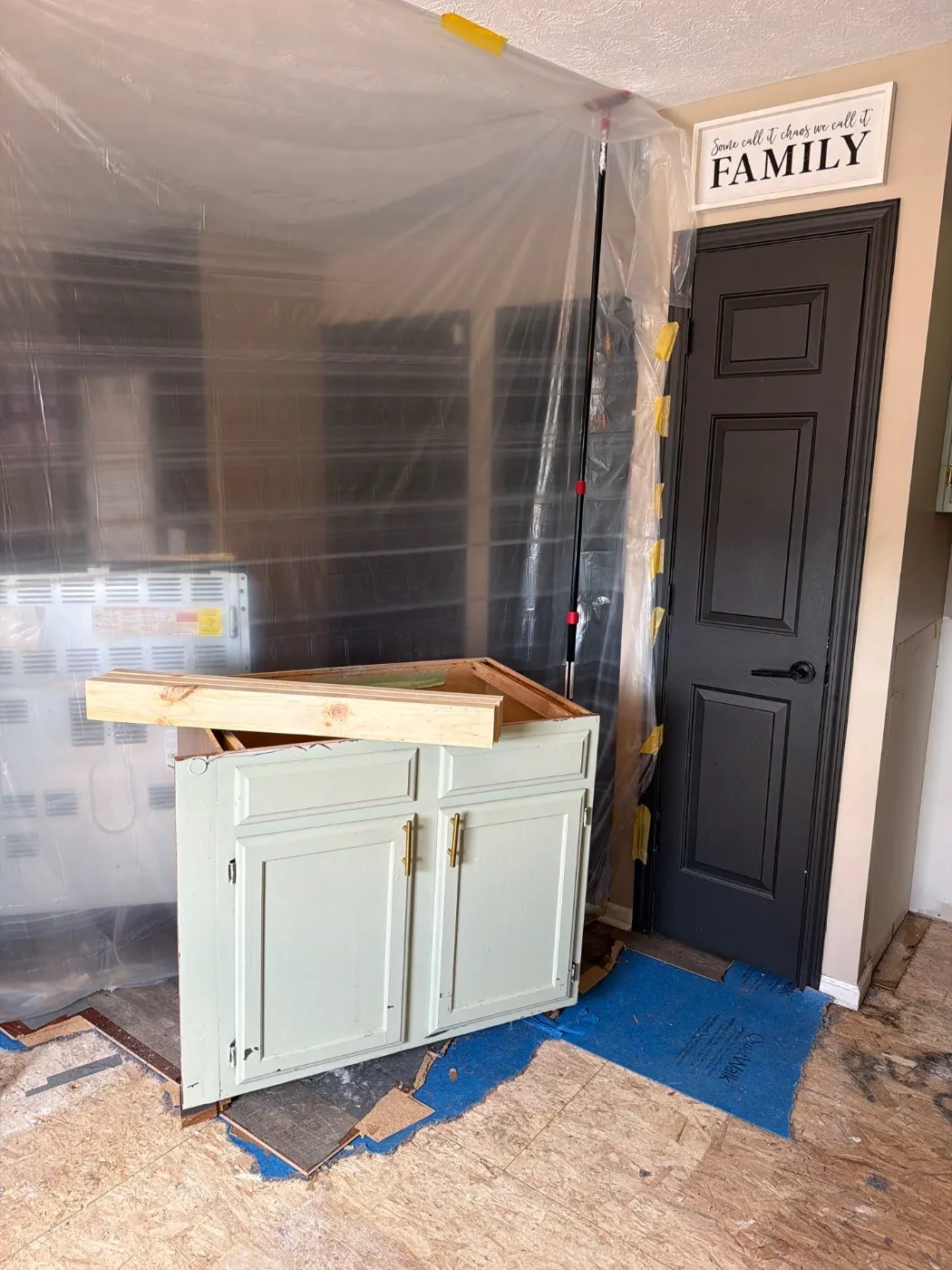
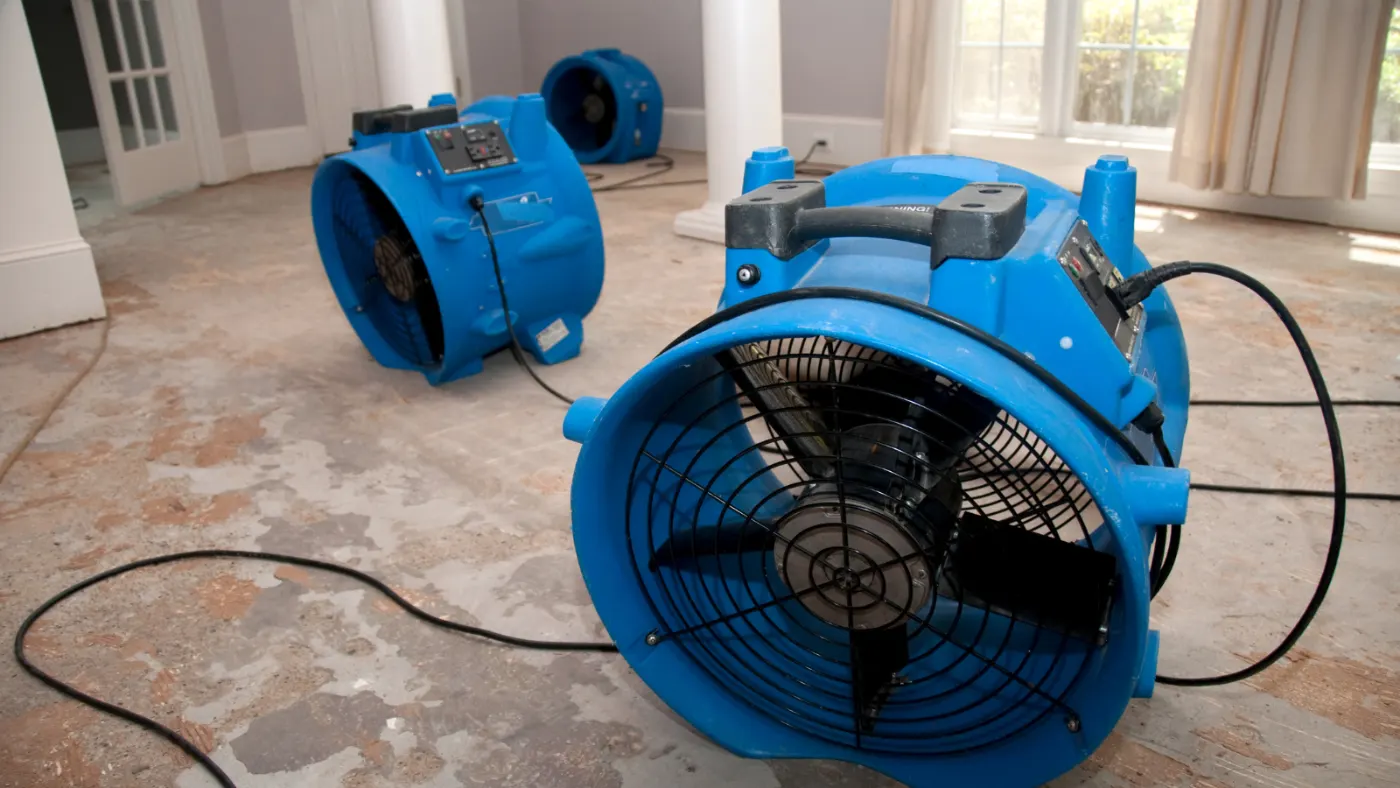
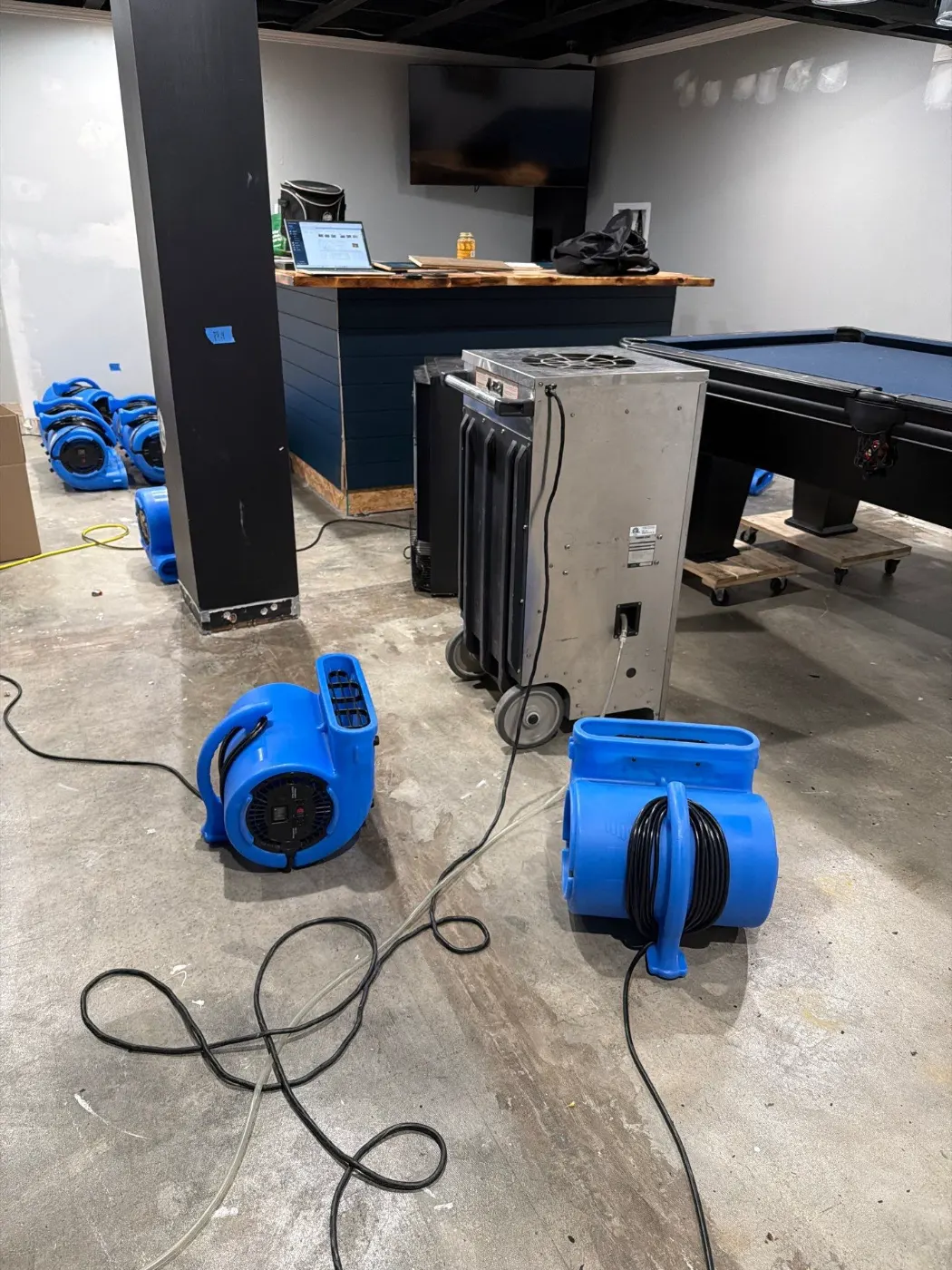
Photographs from real commercial mold remediation jobs completed by our crew in Woodcreek Crossing and surrounding areas.
Commercial Mold Remediation FAQ
Questions Woodcreek Crossing property managers ask us about commercial mold remediation.
Guidance and Standards for Commercial Mold Remediation
- The ANSI/IICRC S520 is the published standard for professional mold remediation. The current edition is the Fourth Edition, 2024. IICRC S520 Standard
- EPA’s mold guide says the key to mold control is moisture control. EPA: A Brief Guide to Mold, Moisture and Your Home
Woodcreek Crossing Neighborhoods We Serve
We take commercial mold remediation calls in every part of Woodcreek Crossing. Pick your neighborhood for local details.
Other Restoration Services in Woodcreek Crossing
Woodcreek Crossing Water Restoration handles the full scope of restoration work. Explore our other services below.
Water Damage Restoration in Woodcreek Crossing
24/7 emergency response. IICRC certified water restoration from extraction to full dry out.
Learn more →Basement Flooding in Woodcreek Crossing
Basement water emergencies handled fast. Extraction, drying, mold prevention.
Learn more →Sewage Cleanup in Woodcreek Crossing
Category 3 biohazard cleanup. Full containment, decontamination, structural restoration.
Learn more →Request Commercial Mold Remediation
Reach Us Directly
Our team is available 24/7 for emergencies and ready to schedule inspections during business hours.
Need Immediate Help?
For active water or mold emergencies, call us directly. We are available 24/7.